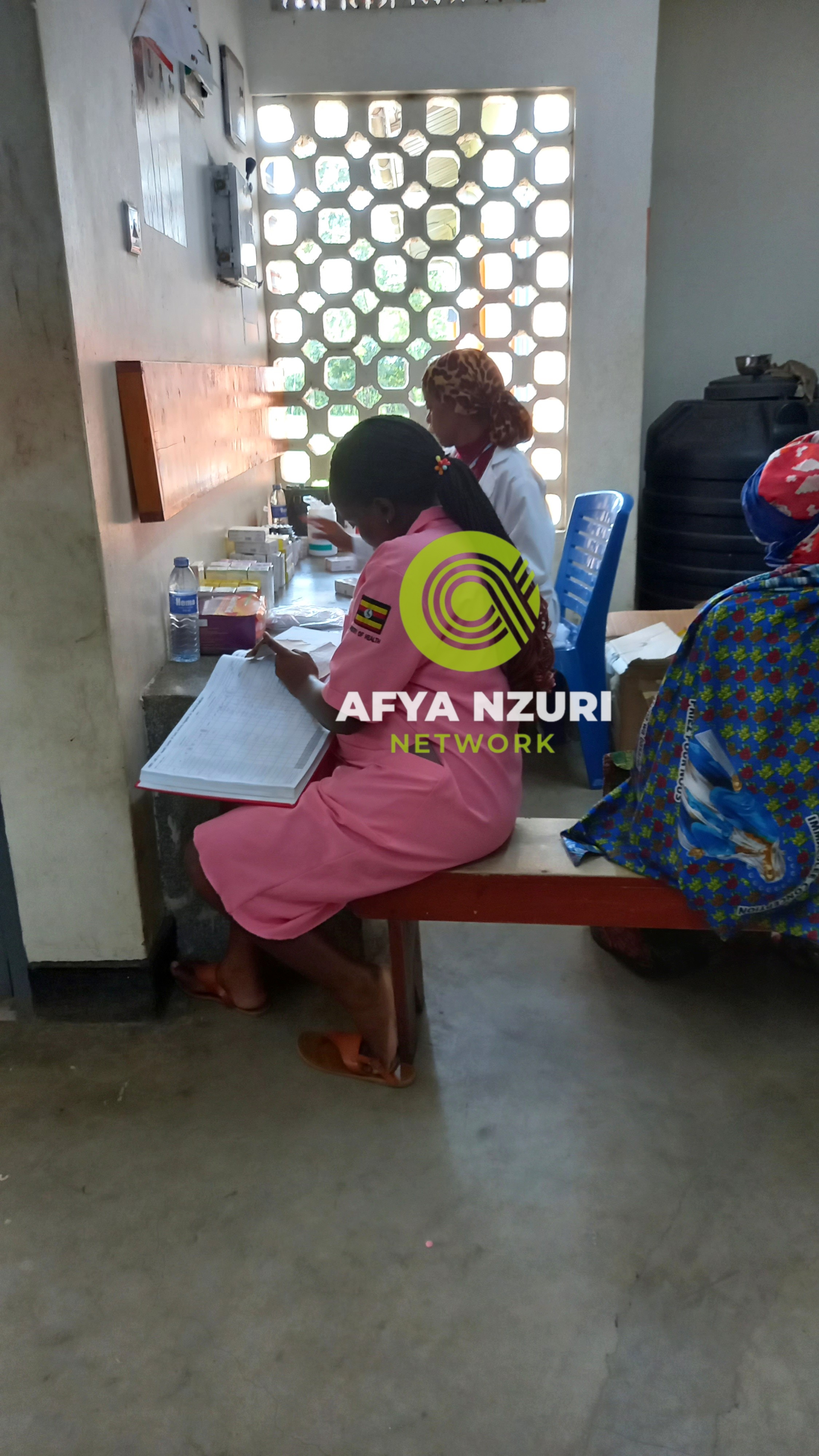
Overview
On 29–30 December 2024, Afya Nzuri Network held a two-day medical camp at Kyempara Health Center III in Kasese District, Uganda. The camp focused on non-communicable diseases — diabetes, hypertension, and cervical cancer — alongside HIV/Hepatitis B screening and a hands-on reusable sanitary pad workshop for teenage girls.
What We Set Out to Do
- Raise awareness about menstruation as a natural, healthy bodily function
- Educate girls on proper menstrual hygiene and equip them to make reusable sanitary pads
- Reduce stigma and negative social norms around menstruation
- Deliver community health education on non-communicable diseases and prevention
Results at a Glance
- 130 beneficiaries received services across both days
- 71 people screened for diabetes — 4 diagnosed and linked to treatment
- 46 people found to be hypertensive and given treatment
- 100 people tested for HIV — 1 positive (already on antiretroviral therapy)
- 26 people tested for Hepatitis B — 1 positive (already managed at Bwera Hospital)
- 49 girls trained to make reusable sanitary pads — all mastered the skill
- 18 mothers screened for cervical cancer via visual inspection under acetic acid — 1 found positive and referred to Bwera Hospital for HPV testing
Remaining drugs were donated to Kyempara Health Center III to continue supporting the community.
Challenges Encountered
- Day 1 overwhelm — A single laboratory technician could not keep up with demand; some beneficiaries returned the next day
- Schedule confusion — Large numbers arrived on Day 2 expecting Day 1 activities despite different programming
- Low cervical cancer screening uptake — Most mothers cited menstruation as a reason for not participating
Key Takeaways
There is a clear, ongoing need to bring medical services closer to these communities. Hypertension was more prevalent than diabetes, which health workers attribute to chronic stress. Widespread, sustained health education is essential to prevent new cases and encourage health-seeking behaviour.